15 Best Educational Books for Kids That Parents Love
5 Best Educational Books for Kids That Parents Love (2026 Guide)
Meta Title: 5 Best Educational Books for Kids That Parents Love | BAITO
Meta Description: Discover five of the best educational books for kids that help build curiosity, critical thinking, creativity, and a lifelong love of learning. A parent's complete guide.

5 Best Educational Books for Kids That Parents Love
In today's digital world, raising curious, confident, and independent learners has become one of the biggest priorities for parents. While educational apps and online videos can certainly play a role in children's development, nothing replaces the experience of sitting down with a thoughtfully designed educational book.
The best educational books do more than teach facts. They encourage children to ask questions, think critically, solve problems, and explore the world with excitement. A great book becomes something children revisit again and again, discovering new ideas every time they open its pages.
Parents across the United States, Canada, and Australia are increasingly choosing screen-free educational resources to help balance children's growing screen time. Educational books remain one of the most affordable and effective investments families can make in early childhood learning.
Whether your child is fascinated by science, loves animals, enjoys asking "why," or simply wants to understand how the world works, choosing the right educational books can make learning feel like an adventure rather than homework.
In this guide, we'll explore five of the best educational books for kids that parents consistently recommend and children genuinely enjoy.
Why Educational Books Still Matter
Technology has transformed education, but research continues to show that reading physical books offers unique developmental benefits.
Educational books help children:
- Improve reading comprehension
- Expand vocabulary naturally
- Strengthen memory retention
- Build concentration
- Encourage imagination
- Develop logical thinking
- Improve communication skills
- Foster independent learning
Unlike short-form digital content, books encourage children to stay focused on one topic for longer periods. This sustained attention helps develop patience and deeper understanding—skills that benefit children throughout school and life.
Even 20 minutes of daily reading can significantly improve literacy, confidence, and academic performance over time.
What Makes an Educational Book Truly Great?
Not every children's book qualifies as educational.
The best educational books combine accurate information with engaging storytelling and interactive learning.
Look for books that include:
- Age-appropriate language
- Bright, engaging illustrations
- Real-world examples
- Interactive questions
- Hands-on activities
- Clear explanations
- Durable construction
- Topics that encourage curiosity
Books that simply present facts often lose children's attention quickly. Instead, the best books invite kids to explore, imagine, and discover.
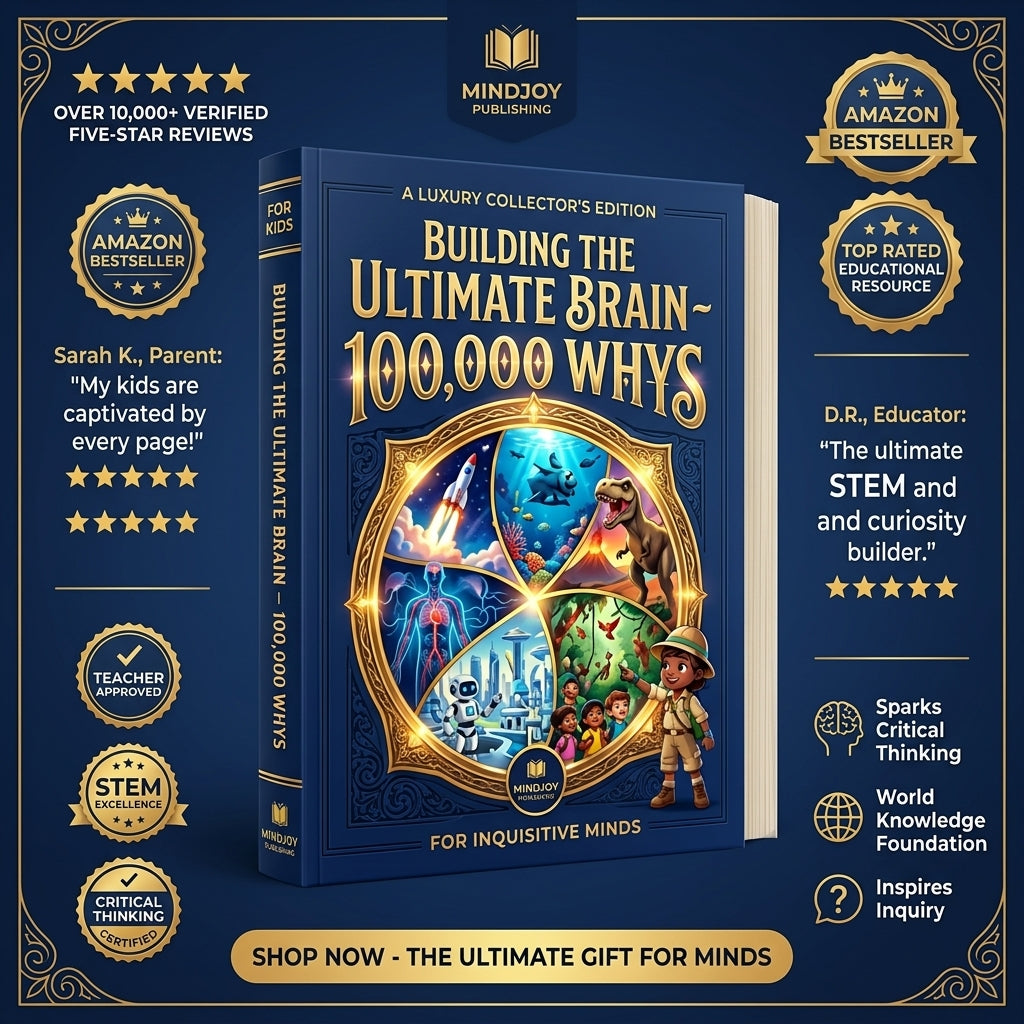
1. The 100,000 Whys Encyclopedia
Recommended Age: 4–10 years
One of the most beloved educational books among curious children is the famous 100,000 Whys Encyclopedia.
Designed to answer the endless stream of questions children naturally ask, this encyclopedia transforms everyday curiosity into meaningful learning experiences.
Children constantly wonder:
- Why is the sky blue?
- Why do dinosaurs disappear?
- Why do stars shine?
- Why do volcanoes erupt?
- Why do birds migrate?
- Why do fish breathe underwater?
Instead of giving short answers, the encyclopedia explains concepts using colorful illustrations, engaging diagrams, and simple language children can easily understand.
Parents appreciate that the book encourages independent learning. Rather than asking adults every question, children begin exploring answers themselves.
Key learning areas include:
- Space
- Earth
- Animals
- Plants
- Human body
- Weather
- Technology
- Transportation
- History
- Nature
Why parents love it:
- Encourages curiosity
- Suitable for multiple ages
- Easy to revisit repeatedly
- Hundreds of fascinating topics
- Excellent family reading book
2. National Geographic Kids Ultimate Book Series
Recommended Age: 6–12 years
National Geographic has earned parents' trust for decades through high-quality educational content.
Their children's books feature:
- Stunning real-world photography
- Scientific accuracy
- Wildlife facts
- Geography
- Space exploration
- Ocean life
- Ancient civilizations
Kids love the vivid pictures while parents appreciate the reliable information.
These books often inspire future interests in biology, geology, marine science, and environmental conservation.
3. DK Children's Encyclopedia
Recommended Age: 6–12 years
DK is famous worldwide for producing beautifully illustrated educational books.
Their encyclopedias combine:
- Infographics
- High-resolution images
- Cross-sectional diagrams
- Timelines
- Easy-to-understand explanations
Topics range from dinosaurs and space to engineering and medicine.
Children often spend hours flipping through different pages because every spread introduces something new.
4. Brain Quest Workbook Series
Recommended Age: 4–12 years
Unlike traditional reading books, Brain Quest encourages active participation.
Children complete:
- Math puzzles
- Word games
- Science challenges
- Reading comprehension
- Logic exercises
- Critical thinking activities
Parents appreciate that learning becomes interactive rather than passive.
These books are especially useful during school holidays to prevent learning loss.
5. The Big Book of Why
Recommended Age: 5–10 years
Children naturally ask thousands of questions each year.
The Big Book of Why celebrates that curiosity.
Each page explores fascinating questions such as:
- Why do cats purr?
- Why do airplanes fly?
- Why do seasons change?
- Why does rain fall?
- Why do leaves change color?
The book uses simple explanations supported by engaging visuals, making even complex scientific ideas easy to understand.
How to Choose the Right Educational Book
Every child learns differently.
Before purchasing a book, consider:
Age
Books that are too advanced may discourage young readers, while books that are too simple can become boring.
Always follow the recommended age range while considering your child's individual reading ability.
Interests
A child who loves animals will naturally engage more with wildlife books.
Children fascinated by machines may prefer engineering or transportation topics.
Following a child's interests makes learning enjoyable.
Reading Style
Some children enjoy stories.
Others prefer facts.
Some love interactive activities.
Choose books that match your child's personality.
Visual Design
Children are naturally attracted to colorful layouts.
Large illustrations help explain complex concepts more effectively than text alone.
Durability
Younger children often revisit favorite books dozens of times.
Hardcover editions usually last much longer than paperbacks.
Benefits Parents Notice Over Time
Parents frequently report improvements after introducing educational books into their daily routine.
These include:
- Increased curiosity
- Better vocabulary
- More confidence asking questions
- Improved school performance
- Greater attention span
- Better communication skills
- Stronger family bonding during reading time
Perhaps most importantly, children begin to see learning as something enjoyable rather than something they are required to do.
Creating a Daily Reading Routine
Consistency matters more than duration.
Instead of reading for an hour once a week, aim for 15–20 minutes every day.
Helpful habits include:
- Reading before bedtime
- Weekend family reading sessions
- Visiting libraries regularly
- Asking children questions about what they read
- Encouraging children to explain concepts in their own words
These small habits create lifelong readers.
Why Screen-Free Learning Is Making a Comeback
Many families are intentionally reducing recreational screen time.
Educational books provide a refreshing alternative.
Books encourage:
- Face-to-face conversations
- Parent-child interaction
- Imagination
- Independent thinking
- Focus without digital distractions
This balanced approach helps children develop healthier learning habits while still benefiting from modern technology when appropriate.
Frequently Asked Questions
At what age should children start reading educational books?
Children can begin exploring educational board books as early as infancy. More detailed educational books typically become engaging between ages 3 and 5, depending on each child's development.
Are educational books better than educational apps?
Both have value. Educational books promote deeper focus, imagination, and comprehension, while apps can provide interactive experiences. Many families benefit from combining both while prioritizing healthy screen-time habits.
How many educational books should children own?
Quality matters more than quantity. A thoughtfully chosen collection of 10–20 books that children revisit regularly often provides greater long-term value than a large library that rarely gets used.
Which educational topics are most beneficial?
Science, nature, geography, history, mathematics, language, and critical thinking all contribute to a well-rounded foundation. Choosing topics that align with your child's interests helps maintain enthusiasm for learning.
How often should parents read with their children?
Experts generally recommend at least 15–20 minutes of shared reading each day. Consistent reading routines strengthen literacy skills and create meaningful family moments.
Final Thoughts
Educational books remain one of the most valuable gifts parents can give their children. They nurture curiosity, encourage independent thinking, strengthen literacy, and create opportunities for meaningful family learning experiences.
Whether your child dreams of becoming a scientist, engineer, artist, veterinarian, or simply enjoys asking endless questions about the world, the right educational book can spark interests that last a lifetime.
The five books featured in this guide each offer unique strengths—from encyclopedic knowledge and interactive activities to stunning photography and engaging science explanations. By choosing resources that match your child's age and interests, you can transform everyday reading into exciting discoveries.
At BAITO, we believe every child deserves access to inspiring, screen-free educational experiences that make learning joyful. Start with one great book, build a daily reading habit, and watch curiosity grow one page at a time.